Knowledge
Corrosion Protection and Maintenance of LR Grade EH32 Shipbuilding Steel Plates
LR Grade EH32 shipbuilding steel plates have been optimized through microalloying and designed with a fine-grained microstructure, significantly enhancing their adaptability to cryogenic environments and corrosion resistance. Combined with factory-applied anti-corrosion pretreatment, a specialized extreme-cold coating system, and standardized full-lifecycle maintenance, these plates can ensure long-term, stable service under high-load conditions in polar cryogenic environments.
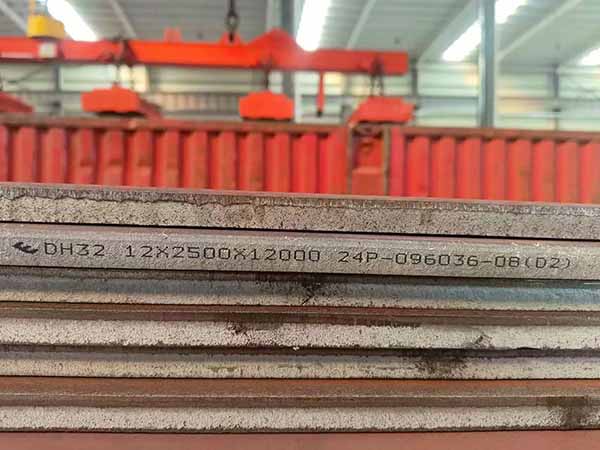
Complete Differences Between LR AH32, DH32, and EH32 Marine Steels
This article describes the differences between LR AH32, DH32, and EH32 marine steels in terms of mechanical properties, chemical composition, delivery conditions, applicable vessels and environments, and welding and construction.
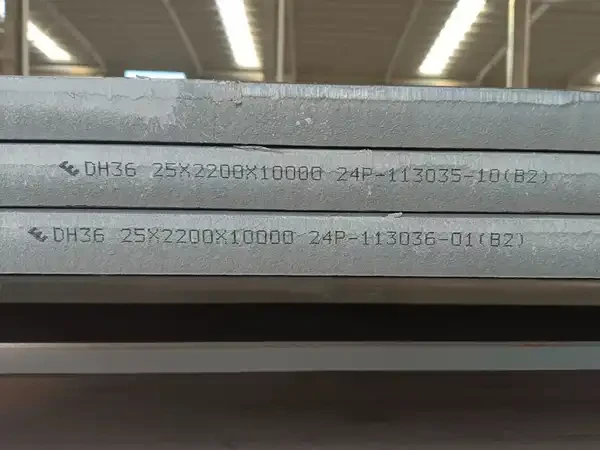
Performance Characteristics and Engineering Value of LR Grade EH32 Marine Steel in Extreme Cold Environments
LR Grade EH32 marine steel has become a core structural material for polar shipbuilding and heavy-duty engineering in extremely cold waters, thanks to its consistent low-temperature impact toughness at -40°C, consistent high load-bearing strength, excellent weldability and machinability, and long-term resistance to aging. The following is an analysis of its performance characteristics and engineering value.

Performance Comparison and Selection Guide for LR AH32/DH32/EH32 Marine Steel Plates
The basic strength parameters of LR Grades AH32, DH32, and EH32 are consistent, but they exhibit gradual differences in low-temperature impact toughness, manufacturing process control, impurity content limits, and applicable ambient temperatures. This article systematically compares the key differences among these three grades in terms of technical specifications and application scenarios, and provides recommendations for selecting the appropriate grade based on project requirements.