Knowledge
Complete Differences Between LR AH32, DH32, and EH32 Marine Steels
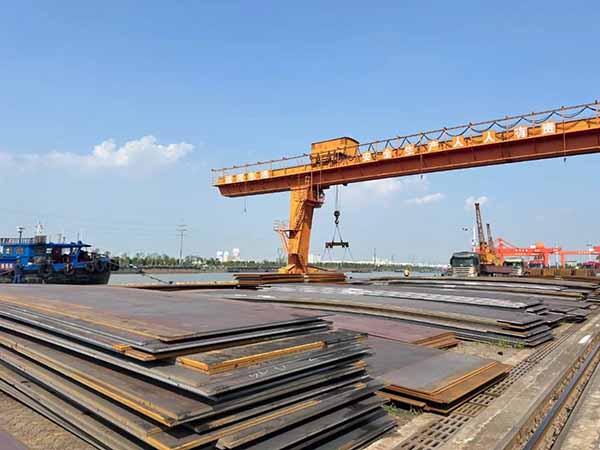
This article describes the differences between LR AH32, DH32, and EH32 marine steels in terms of mechanical properties, chemical composition, delivery conditions, applicable vessels and environments, and welding and construction.
Welding Process for LR AH32 Shipbuilding Steel Plates
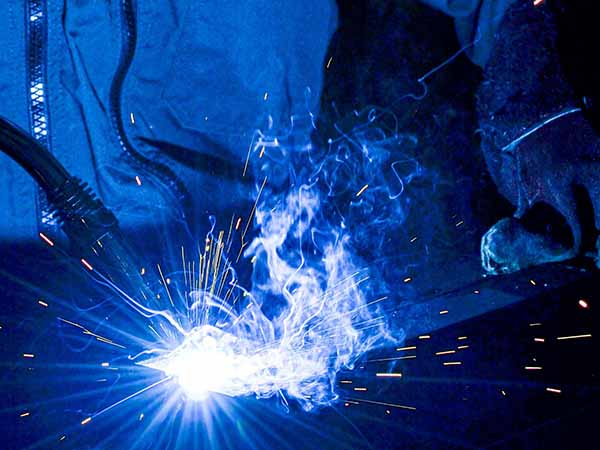
Welding quality is a key factor determining the structural safety and service life of LR AH32 high-strength shipbuilding steel plates in offshore engineering. Although this steel grade possesses good inherent weldability, non-standard process parameters, improper pre-welding treatment, and non-compliant post-welding measures can easily lead to reduced toughness, microcracks, and residual stresses in the welded joints, thereby affecting the overall stability of the ship’s hull structure.
Performance Comparison and Selection Guide for LR AH32/DH32/EH32 Marine Steel Plates
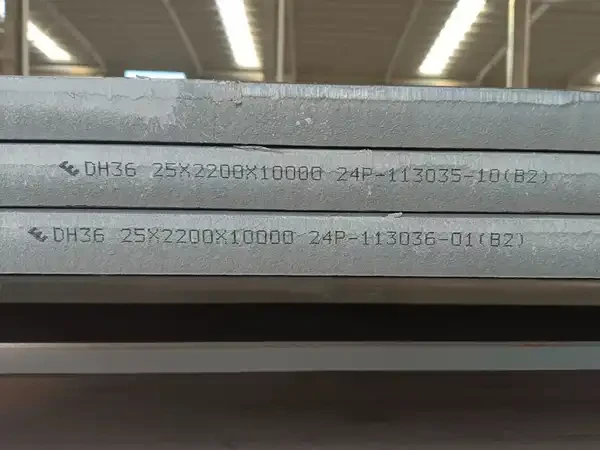
The basic strength parameters of LR Grades AH32, DH32, and EH32 are consistent, but they exhibit gradual differences in low-temperature impact toughness, manufacturing process control, impurity content limits, and applicable ambient temperatures. This article systematically compares the key differences among these three grades in terms of technical specifications and application scenarios, and provides recommendations for selecting the appropriate grade based on project requirements.
Technical Specifications for LR Grade AH32 High-Strength Marine Steel Plates
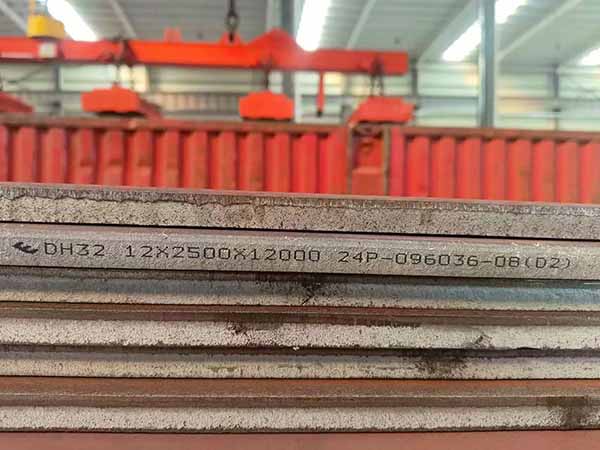
LR Grade AH32 is a high-strength hull structural steel plate certified by Lloyd’s Register (LR) of the United Kingdom. It is widely used in ocean-going vessels, coastal engineering vessels, and conventional offshore structures. This article describes its chemical composition, mechanical properties, low-temperature impact toughness, dimensional range, tolerance standards, and the full scope of LR certification requirements.