
Blog
Applications of DNV Grade AH32 Shipbuilding Steel Plates in Commercial Ships and Offshore Engineering
DNV Grade AH32 shipbuilding steel plates combine high strength, excellent toughness, good weldability, stable corrosion resistance, and cost-effectiveness, making them a widely used material in the offshore engineering sector. This paper analyzes the specific application scenarios of this steel plate in projects such as bulk carriers, container ships, tugboats, and offshore platforms, and discusses its structural adaptability and engineering advantages, thereby providing a reference for material selection and design optimization in such projects.
- Tags:
- DNV Grade AH32
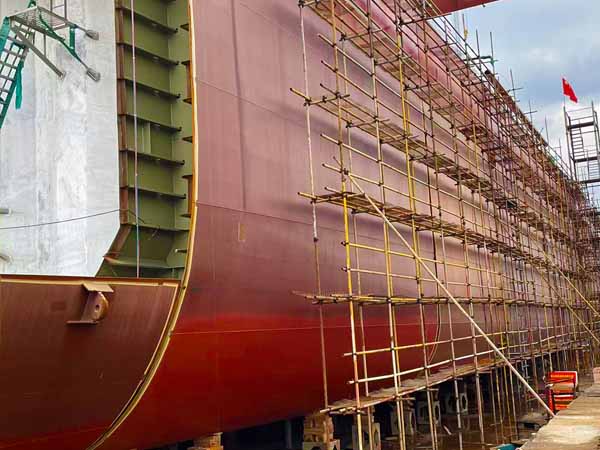
Differences Between DNV Grade AH32 and DH32 and EH32
DNV Grades AH32, DH32, and EH32 all belong to Grade 32 high-strength shipbuilding steel plates (yield strength ≥315 MPa). They differ in mechanical properties, chemical composition, delivery conditions, manufacturing processes, and application scenarios. The key distinction among them is the progressive improvement in low-temperature impact toughness: A → D → E, with impact test temperatures of 0°C → -20°C → -40°C, respectively. As low-temperature toughness improves, so does the cost.
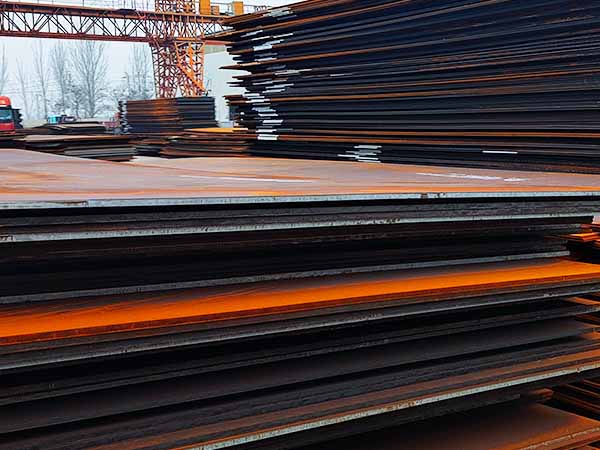
What are The Common Delivery Conditions for DNV Grade E Shipbuilding Steel Plates?
DNV Grade E shipbuilding steel plates are fine-grained steels that require extremely high uniformity in internal microstructure. To meet the impact toughness requirements at -40°C, delivery in the hot-rolled (AR) condition is not recommended; instead, the steel should be supplied in the normalized (N), thermomechanically controlled process (TMCP), or quenched and tempered (Q&T) conditions.
- Tags:
- DNV Grade E

Analysis of the Corrosion Resistance of DNV Grade D Marine Steel Plates
In the shipbuilding and offshore engineering sectors, steel is constantly exposed to environments characterized by high salinity, high humidity, and complex loads; corrosion issues directly impact the structural safety of ship hulls and operational costs. As a key marine steel grade certified by international classification societies, DNV Grade D marine steel plates are widely used in the construction of hull structures, decks, bulkheads, and offshore platforms due to their excellent mechanical and weldability properties. However, relying solely on the steel’s inherent properties is insufficient to fully withstand marine corrosion. A scientifically designed DNV Grade D anti-corrosion system, combined with comprehensive anti-corrosion measures for shipbuilding steel, is the key to ensuring the long-term safe operation of vessels.
- Tags:
- DNV Grade D

Storage, Transportation, and Corrosion Prevention of DNV Grade D Shipbuilding Steel Plates
DNV Grade D shipbuilding steel plates are prone to oxidation and corrosion during storage and transportation. Standardized storage, transportation, and corrosion prevention measures can effectively protect the surface and internal properties of the steel plates, prevent quality degradation, and ensure the plates meet engineering construction standards.
- Tags:
- DNV Grade D