Blog
Technical Advantages of BV B Marine Steel and Its Application Value in Offshore Engineering
BV Grade B marine steel combines stable basic strength, impact toughness at 0°C, excellent process compatibility, and high cost-effectiveness. It precisely meets the material requirements for vessels and seasonal facilities in temperate waters, making it one of the most widely used structural steels in mid-latitude marine engineering. The following is an analysis of its core technical advantages and engineering value.
Comparison of the Properties of BV Grade A, Grade B, Grade D, and Grade E Marine Steels
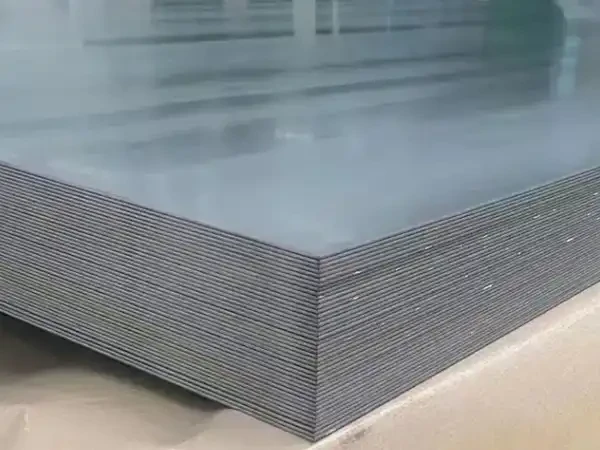
The BV ordinary-strength marine steel series comprises four core grades: A, B, D, and E. These four grades share the same basic strength parameters but exhibit distinct gradations in terms of low-temperature impact toughness, impurity control levels, process control precision, and environmental adaptability.

Equivalent Materials to BV Grade A Marine Structural Steel Plates
BV Grade A is a general-strength shipbuilding structural steel certified by Bureau Veritas (BV) and falls under the category of general-strength shipbuilding steel as defined by the International Association of Classification Societies (IACS) Unified Technical Specifications. General-strength shipbuilding steels of corresponding grades from each member classification society are essentially identical in terms of chemical composition and mechanical properties; the main difference lies solely in the classification society’s certification mark.
Applications and Advantages of LR EH36 Marine Steel for Cryogenic, High-Load Offshore Engineering
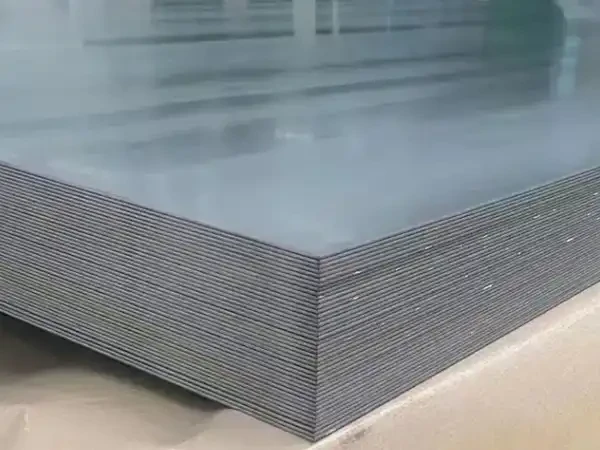
With its low-temperature toughness at -40°C, high tensile strength of 355 MPa, excellent low-temperature weldability and fatigue resistance, as well as authoritative certification from LR, LR EH36 marine steel has become the core structural material for large, high-load vessels operating in polar and subpolar extreme cold regions, as well as for deep-sea heavy-duty engineering projects. The following outlines its specific application areas and structural advantages.

Characteristics of LR Grade EH36 Marine Steel
LR EH36 is a high-strength, cryogenic marine structural steel certified by Lloyd’s Register, specifically designed for large polar vessels and offshore engineering projects in ice-covered waters. The following provides a systematic overview of its technical characteristics, covering chemical composition, mechanical properties, microstructure, delivery conditions, welding and fabrication processes, corrosion resistance, and typical applications.