
Blog
Key Differences Between BV AH36, DH36, and EH36 Shipbuilding Steel Plates
BV AH36, DH36, and EH36 are all high-strength structural steels for shipbuilding, and their core mechanical properties (strength) are essentially the same. The fundamental difference among them lies in their minimum service temperature, a parameter that directly determines the sea and climatic conditions for which each is suitable.

Applications and Structural Advantages of BV Grade AH32 Shipbuilding Steel Plates
The temperate marine engineering applications and structural advantages of BV Grade AH32 shipbuilding steel plates effectively address the issues of insufficient load-bearing capacity and poor fatigue resistance associated with ordinary-strength marine steel, while avoiding performance redundancy and excessive costs. They comprehensively cover all-season marine construction scenarios in temperate waters at low and mid-latitudes.
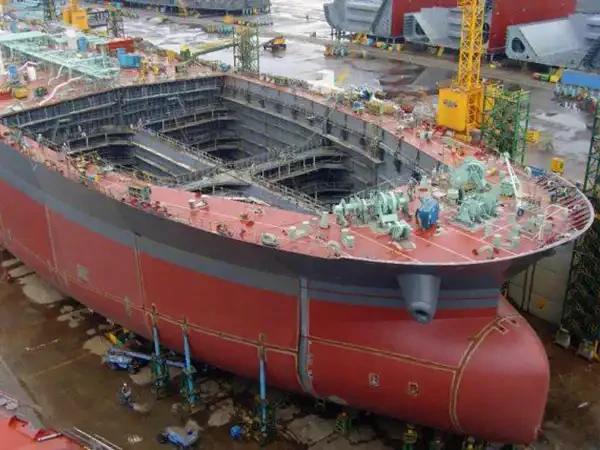
Characteristics of BV Grade AH32 Shipbuilding Steel Plates
Marine engineering projects in temperate and light-ice regions generally face complex challenges such as seawater corrosion, alternating wave loads, seasonal low temperatures, and salt fog erosion. BV AH32 shipbuilding steel plates offer low-temperature toughness at 0°C, enhanced structural strength, stable comprehensive mechanical properties, excellent process adaptability, and high cost-effectiveness, and are widely used in the construction of traditional large commercial vessels and in temperate marine engineering projects.
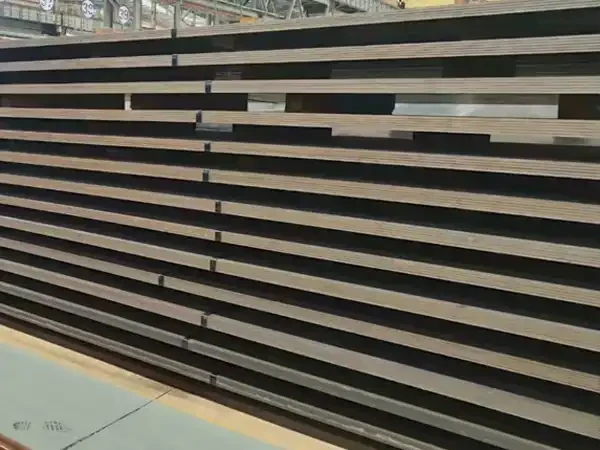
Complete Technical Specifications for BV Grade AH32 Shipbuilding Steel Plates
BV Grade AH32 shipbuilding steel plate is a high-strength hull structural steel certified by Bureau Veritas (BV). It is specifically designed for temperate waters, seasonal light ice zones, and conventional marine conditions, meets the mandatory 0°C impact toughness requirements, and is widely used in commercial shipbuilding and conventional marine engineering worldwide. This article describes its chemical composition, mechanical properties, impact properties, BV ship classification rules, range of specifications and dimensions, dimensional tolerance ranges, and delivery conditions.

Core Technical Advantages of BV Grade E Shipbuilding Steel Plates
BV Grade E shipbuilding steel combines extreme cold toughness, reliable comprehensive mechanical properties, excellent adaptability to cryogenic processing, and good engineering economics. It precisely meets the material requirements for polar offshore structures and is one of the most widely used base steel grades in polar and ice-class shipbuilding and offshore engineering worldwide. The following is an analysis of its core technical advantages and engineering value.