Welding Process for CCS DH32 Shipbuilding Steel Plates
- May 25, 2026

Knowledge
| Element | Content Range | Function |
|---|---|---|
| C | ≤0.18 | Reduces hardenability, improves weldability |
| Si | 0.10–0.50 | Deoxidation, solid solution strengthening |
| Mn | 0.90–1.60 | Matrix strengthening, grain refinement |
| P | ≤0.025 | Harmful element; increases susceptibility to hot cracking |
| S | ≤0.025 | Harmful element; increases susceptibility to hot cracking |
| Al | ≥0.015 | Nitrogen fixation; grain refinement |
| Nb, V, Ti | Trace amounts | Microalloying; improves strength and toughness |
| Grade | CSS DH32 |
|---|---|
| Yield Strength (ReH) | ≥ 315 MPa |
| Tensile Strength (Rm) | 450 - 570 MPa |
| Elongation (A) | ≥ 22 % |
| Impact Toughness | longitudinal ≥ 31 J, transverse ≥ 22 J (-20 °C, thickness ≤ 50 mm) |
Advantages
Low carbon equivalent design (CE ≤ 0.40%), low hardening tendency, and good weldability.
Main Risks
Sensitivity to cold cracking exists during the welding of thick plates.
Excessive heat input can lead to grain coarsening in the heat-affected zone (HAZ) and a reduction in toughness.
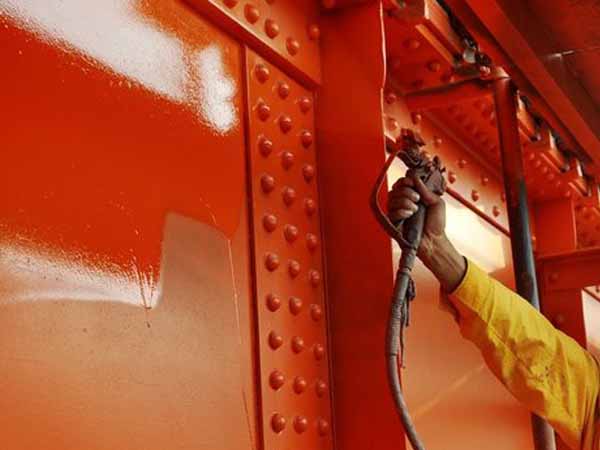
Residues from shop primer may cause hot cracks and porosity.
Structures with high rigidity are prone to weld stress concentration.
Customers choose to engage in long-term cooperation with Yuxin Steel not only because of our high-quality products and services, as well as our strong reputation in the international market, but also due to our experienced one-stop raw material supply and further steel processing capabilities!