Equivalent Materials for CCS DH36 Steel
- May 27, 2026

Knowledge
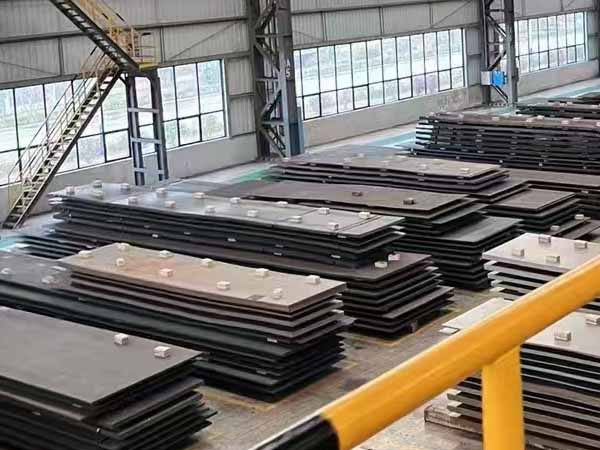
CCS DH36 shipbuilding steel plates should be stored in a dry, well-ventilated indoor warehouse, avoiding prolonged exposure to rain and salt spray. The plates must be stacked horizontally, with wooden or steel spacers placed between layers to prevent surface scratches and localised deformation due to pressure. The stacking height must not exceed 2 metres to prevent collapse. For plates stored for more than 30 days, they should be turned and inspected regularly to check for rust and deformation.
During both land and sea transport, the surface of DH36 shipbuilding steel plates must be covered with a waterproof and dustproof protective film. Flat steel plates must be securely fastened using strapping bands to prevent slipping or impact during transit. Anti-slip pads should be fitted at the points where thick plates come into contact with the transport vehicle. For long-distance overseas transport, it is recommended to use sealed containers to isolate the plates from marine salt spray and reduce surface corrosion.
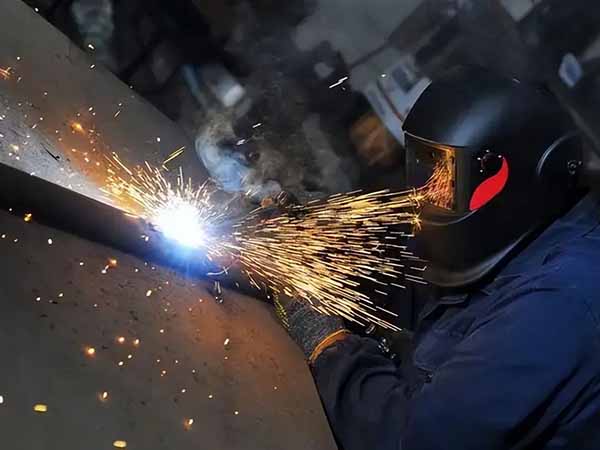
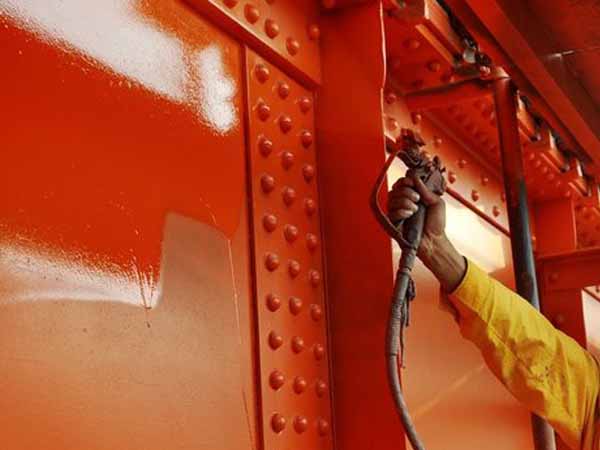
The natural corrosion resistance of CCS DH36 shipbuilding steel plates is limited; proactive corrosion prevention measures must be taken during long-term storage. For steel plates intended for imminent use, surface rust may be removed by shot blasting prior to welding; for steel plates in long-term storage, the surface should be coated with anti-rust paint. It is strictly prohibited to store DH36 steel plates alongside corrosive chemicals such as acids or alkalis, to avoid irreversible corrosion damage.
In high-humidity and coastal regions, indoor warehouses should be equipped with dehumidification equipment to maintain relative humidity below 60%. Should deep rust pits appear on the surface of CCS DH36 steel plates, this will weaken the weld joint strength; such plates must not be used for critical hull structural components. Therefore, daily corrosion prevention management must be strictly regulated.
Customers choose to engage in long-term cooperation with Yuxin Steel not only because of our high-quality products and services, as well as our strong reputation in the international market, but also due to our experienced one-stop raw material supply and further steel processing capabilities!