Differences Between DNV Grade A, B, D, and E Shipbuilding Steel Plates
- Jun 06, 2026

Knowledge
DNV Grade A, B, D, and E shipbuilding steel plates are all classified as ordinary-strength hull structural steels (yield strength ≥235 MPa) and are certified by Det Norske Veritas (DNV). The key distinction lies in the low-temperature impact toughness requirements, which result in significant differences in chemical composition control, production processes, applicable environments, and structural locations. This directly determines the minimum service temperatures they can withstand and the specific ship sections for which they are suitable.
| Comparison Items | DNV Grade A | DNV Grade B | DNV Grade D | DNV Grade E |
|---|---|---|---|---|
| Yield Strength | ≥ 235 MPa | ≥ 235 MPa | ≥ 235 MPa | ≥ 235 MPa |
| Tensile Strength | 400 - 520 MPa | 400 - 520 MPa | 400 - 520 MPa | 400 - 520 MPa |
| Elongation | ≥ 22% | ≥ 22% | ≥ 22% | ≥ 22% |
| Impact Test Temperature | t ≤ 50 mm: No mandatory requirement, t > 50 mm: +20 °C | 0 °C | - 20 °C | - 40 °C |
| Impact Energy (longitudinal) | ≥34 J (t > 50 mm) | ≥ 27 J (t ≤ 50 mm) | ≥ 27 J (t ≤ 50 mm) | ≥ 27 J (t ≤ 50 mm) |
| Maximum C content | 0.21% | 0.21% | 0.21% | 0.18% |
| Minimum Mn Content | 0.50% (or ≥ 2.5×C) | 0.80% | 0.60% | 0.70% |
| Maximum Si Content | 0.50% | 0.35% | 0.35% | 0.35% |
| Control of Harmful Elements | P ≤ 0.035%, S ≤ 0.035% | P ≤ 0.035%, S ≤ 0.035% | P ≤ 0.030%, S ≤ 0.030% | P ≤ 0.025%, S ≤ 0.025% |
| Grain Refinement | No mandatory requirement | Optional | Mandatory (Al ≥ 0.015%) | Mandatory (Al ≥ 0.015%) |
| Delivery Condition | AR or TMCP | AR or TMCP | CR, N, or TMCP | N, TMCP, or Q+T |
| Grade | Impact Test Temperature | Impact energy (longitudinal/transverse) | Note |
|---|---|---|---|
| DNV Grade A | Room temperature (20°C) or not required. | No mandatory requirement (t ≤ 50mm) ≥ 34J / ≥ 24J (t > 50mm) | Moderate toughness, suitable for warm waters. |
| DNV Grade B | 0°C | ≥ 27J / ≥ 20J (t ≤ 50mm) | Good toughness, suitable for cold waters with temperatures above 0°C. |
| DNV Grade D | -20°C | ≥ 27J / ≥ 20J (t ≤ 50mm) | High toughness, suitable for cold waters. |
| DNV Grade E | -40°C | ≥ 27J / ≥ 20J (t ≤ 50mm) | Extremely high toughness, suitable for polar and harsh marine environments. |
To achieve different levels of low-temperature toughness, the strictness of chemical composition control increases progressively across the grades:
Grade E has the lowest carbon content (≤0.18%) to minimize the negative impact of carbon on toughness while improving weldability.
Grade B has the highest manganese content (≥0.80%) to enhance strength and toughness through solid solution strengthening; Grades D and E utilize microalloying (aluminum for grain refinement) to partially replace the role of manganese.
Grade E imposes the strictest controls on phosphorus and sulfur, as phosphorus significantly reduces low-temperature toughness, while sulfur forms sulfide inclusions that cause stress concentration.
Grades D and E mandate the addition of aluminum for grain refinement; fine grains can significantly improve the steel’s impact toughness.
As low-temperature toughness requirements increase, production processes become more complex:
DNV Grade A: The simplest hot-rolling process can be used, resulting in the lowest cost.
DNV Grade B: Hot rolling alone meets the requirements, but thick plates (>40 mm) require normalizing to achieve a uniform microstructure.
DNV Grade D: A uniform, fine-grained microstructure must be achieved through normalizing, controlled rolling, or TMCP processes.
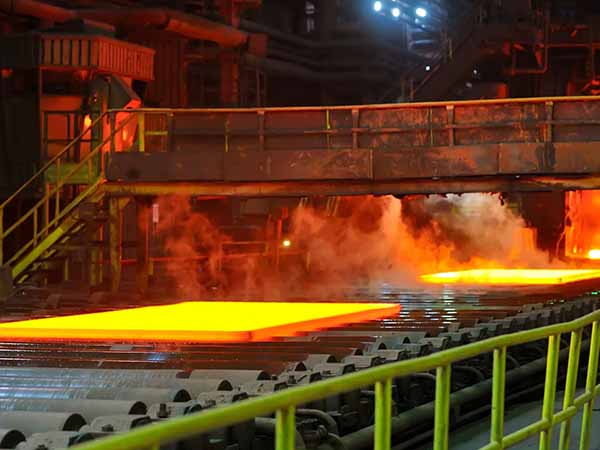
DNV Grade E: In addition to normalizing or TMCP, thick plates may require quenching and tempering to ensure sufficient toughness at -40°C.
The application of each class is determined entirely by the ambient temperature and structural importance of the environment:
DNV Grade A: Applicable to non-critical structures in tropical and subtropical waters, such as superstructures, internal bulkheads, secondary decks, and non-load-bearing components.
DNV Grade B: Applicable to general structures in temperate waters, such as internal hull frames, secondary load-bearing components, and ordinary decks.
DNV Grade D: Suitable for critical structures in cold waters (e.g., the North Atlantic and North Pacific during winter), such as hull plating, bottom structures, main decks, primary frames, and frames.
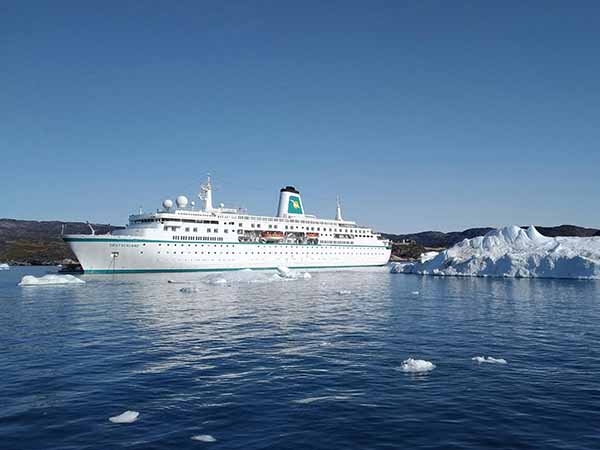
DNV Grade E: Suitable for vessels operating in polar waters (Arctic, Antarctic) and ice-covered regions, such as ice-strengthened hulls, icebreaker structures, and polar offshore platforms.
Provided environmental temperature requirements are met, prioritize lower-grade steel plates; Grade A costs approximately 30%–50% less than Grade E.
Strictly select grades based on the vessel’s navigation area; Grade A or B must never be used as substitutes for Grade D or E in cold waters, as this poses a risk of brittle fracture.
For critical load-bearing structures (such as the hull bottom and outer side plates), Grade B or higher is recommended even in normal-temperature waters to enhance safety.
It is more difficult to ensure low-temperature toughness in thick plates (>40 mm); therefore, a higher grade should be selected or normalizing treatment should be applied.
Customers choose to engage in long-term cooperation with Yuxin Steel not only because of our high-quality products and services, as well as our strong reputation in the international market, but also due to our experienced one-stop raw material supply and further steel processing capabilities!