Knowledge
Applications of S355J2W Weathering Steel Plates
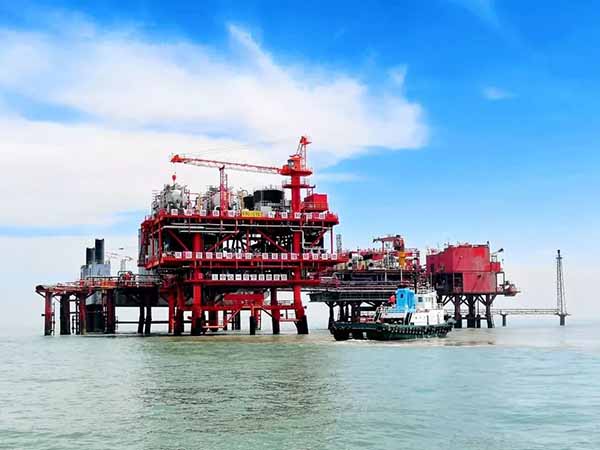
Thanks to its excellent low-temperature toughness, stable resistance to atmospheric corrosion, and high load-bearing capacity, S355J2W weathering steel plate has become an essential structural material for outdoor projects in cold temperate zones and high-altitude regions. It effectively addresses the performance shortcomings of ordinary weathering steel in low-temperature environments and is widely used in cold-weather bridges, northern energy facilities, high-altitude landscape projects, and low-temperature municipal infrastructure. The following outlines its applications and structural advantages in typical scenarios.
Characteristics and Advantages of S355J2W Weathering Steel Plates
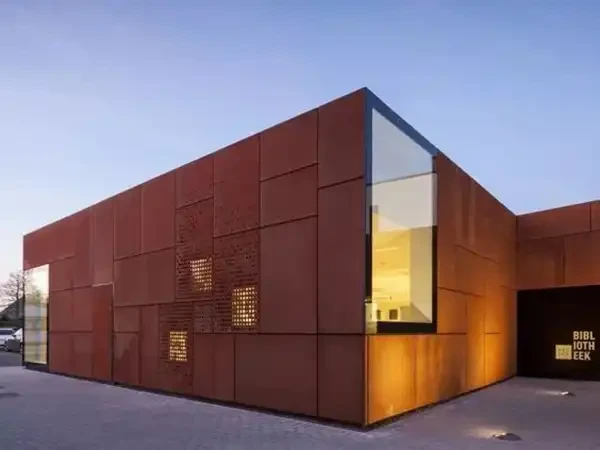
Weather-resistant steel plates are high-strength structural steel plates designed to withstand atmospheric corrosion. Their core advantages and characteristics lie in combining excellent resistance to atmospheric corrosion with reliable mechanical properties, enabling steel structures to maintain their corrosion resistance over the long term in outdoor low-temperature environments while effectively preventing brittle fracture under low-temperature load impacts. They are widely used in outdoor rail transit, bridge engineering, and tower structures in cold temperate regions and at high altitudes.

Technical Specifications for S355J2W Weathering Steel Plate
S355J2W is a European standard weathering steel, conforming to EN 10025-5, “Hot rolled products of structural steels - Part 5: Technical delivery conditions for structural steels with improved atmospheric corrosion resistance” Through the addition of alloying elements such as Cu, Cr, and Ni, this steel grade forms a stable, dense protective rust layer (patina) on the surface of the steel plate, providing excellent weathering and corrosion resistance. It is suitable for structural components—such as bridges, buildings, vehicles, steel structures, and outdoor equipment—that are exposed to the atmosphere for extended periods.
Key Considerations for the Design and Use of S355J2W Weathering Structural Steel
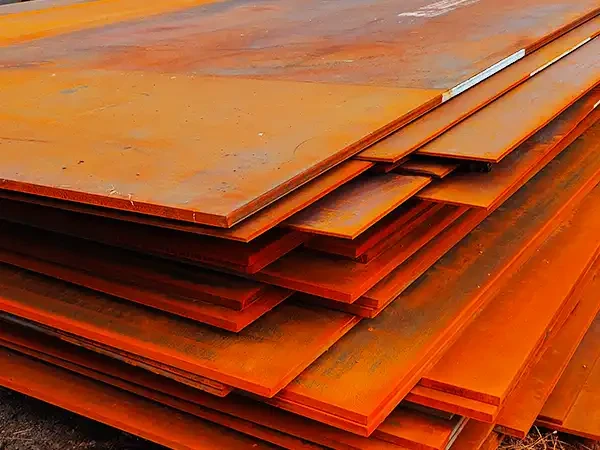
Key Considerations for the Design and Use of S355J2W Weathering Structural Steel: Structural Design, Surface Condition, Temperature Suitability, Joining and Welding.

Protection Solution for S355J2W Weathering Steel in Coastal Environments with High Salt Fog Levels
In coastal environments with high levels of salt spray, the use of weathering steel involves managing risks through engineering design and proactive maintenance. This approach requires abandoning the expectation of "complete maintenance-free" performance and instead adopting a strategy of "engineered rust layer control". In certain areas, it may even be necessary to weigh up the aesthetic benefits against traditional corrosion protection solutions (such as coatings) before making a final decision.