Knowledge
Surface Treatment of DNV Grade B Marine Steel Plates in Marine Corrosive Environments
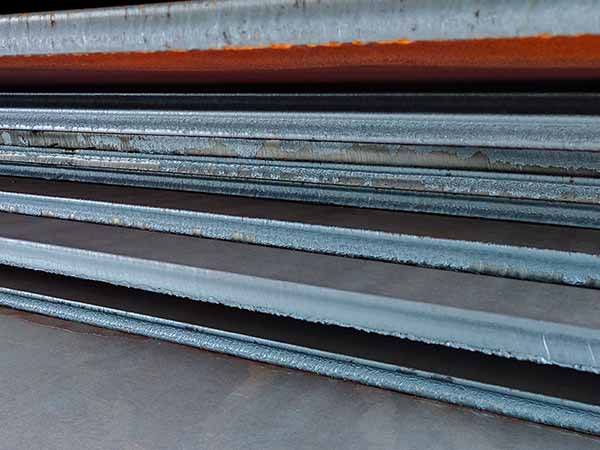
In marine corrosive environments, the core requirements for surface preparation of DNV Grade B shipbuilding steel plates are: cleanliness Sa2.5, surface roughness 40 - 75 μm, and salt content ≤50 mg/m². These plates are coated with a heavy-duty epoxy + polyurethane anti-corrosion system and combined with cathodic protection to meet the requirements of DNV-CG-0288 and PSPC.
- Tags:
- DNV Grade B

Differences Between DNV Grade A, B, D, and E Shipbuilding Steel Plates
DNV Grade A, B, D, and E shipbuilding steel plates are all DNV-certified ordinary-strength hull structural steel plates. Their mechanical properties are as follows: yield strength ≥235 MPa, tensile strength 400 - 520 MPa, and elongation after fracture ≥22%. The key distinction among these four grades lies in their varying low-temperature impact toughness, which determines their minimum service temperature and suitable ship locations. From Grade A to Grade E, the steel’s low-temperature impact toughness increases progressively, providing greater resistance to brittle fracture and making it suitable for marine environments with lower temperatures.
Comparison of ABS Grade B marine steel plates with equivalent-grade steel plates from BV, DNV and CCS
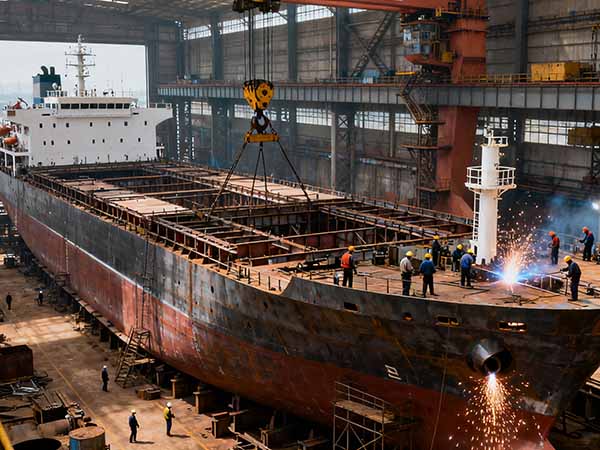
In shipbuilding, in addition to ABS Grade B marine steel plates certified by the American Bureau of Shipping (ABS), organisations such as Bureau Veritas (BV), Det Norske Veritas (DNV) and the China Classification Society (CCS) have also certified steel plates of the same grade. These steel plates are all classified as general-purpose shipbuilding steel plates, but there are subtle differences in their standard requirements, performance specifications and applications.