Heat Treatment Techniques for CCS EH32 Shipbuilding Steel Plates
- May 28, 2026

Knowledge
In high-salt-fog coastal environments, S355J2W weathering steel cannot withstand corrosion through bare exposure alone. A comprehensive protection strategy comprising ‘material selection, surface protection, structural design and regular maintenance’ must be adopted to effectively resist the severe corrosion caused by chloride ions and ensure the long-term service safety of the components.
Chloride ions (Cl⁻) possess extremely high penetrating power, capable of destroying the stable passivated rust layer formed on the surface of weathering steel. This accelerates localised corrosion phenomena such as pitting and crevice corrosion, thereby reducing the load-bearing capacity of the components.
1.2 Environmental Zones (Corrosion Intensity from Highest to Lowest)
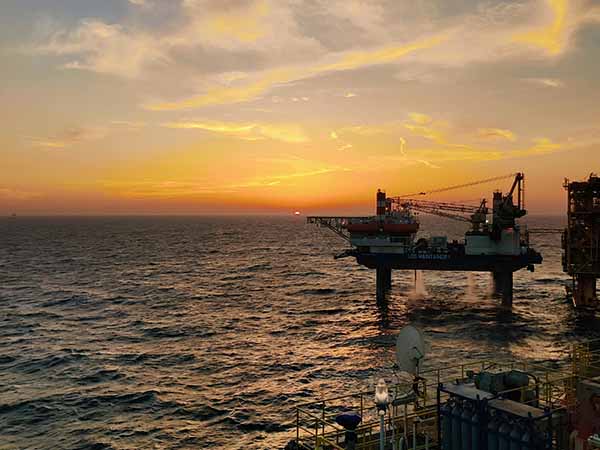
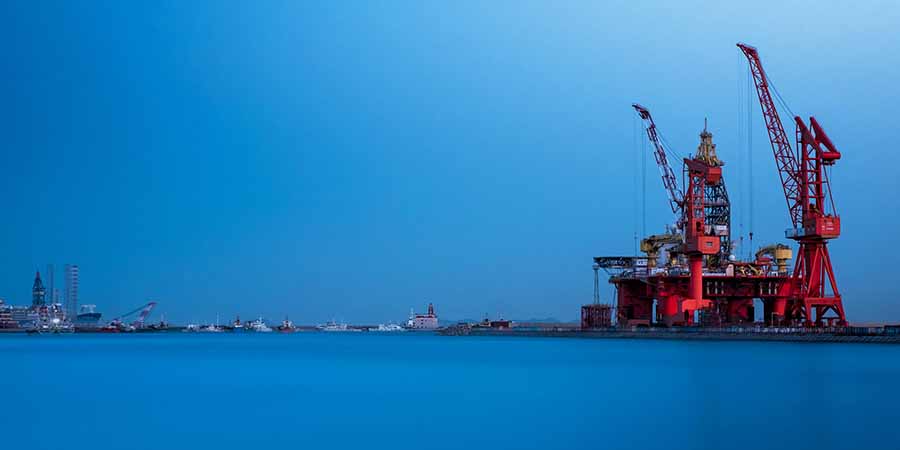
a) Splash Zone: The most severe corrosion environment, characterised by alternating wet and dry conditions, and subject to both salt spray erosion and direct impact from seawater; corrosion rates are the highest here.
b) Tidal Zone: Components are periodically submerged and exposed to seawater; corrosion is intense, and localised pitting is likely to occur.
c) Marine Atmosphere Zone (within 500 m of the shore): Characterised by high levels of salt fog and humidity; prolonged exposure gradually undermines the stability of the rust layer.
d) Fully Submerged Zone: Components are continuously immersed in seawater; due to the lack of oxygen in the water, the corrosion rate is slightly lower than in the previous three zones, but significant protection is still required.
a) Caution regarding exposed use: The exposed use of S355J2W weathering steel is strictly prohibited within 50 metres of the coastline; within the 50–500 metre range, a corrosion assessment must be conducted based on the actual environment, and coating protection is generally still required.
b) Material compatibility: Fasteners (bolts, nuts, etc.) must be selected from weathering steel of the same grade or hot-dip galvanised steel to avoid corrosion risks arising from differences in material properties.
c) Protection against dissimilar metal contact: Where S355J2W weathering steel comes into contact with other dissimilar metals (such as stainless steel or aluminium), insulating washers (e.g. made of nylon or Teflon) must be fitted to effectively prevent galvanic corrosion.
d) Structural design optimisation: Component design must avoid structures prone to water or dust accumulation to minimise the build-up of corrosive agents; potential gaps must be eliminated; welding should employ continuous welding techniques with subsequent sealing of the welds; and sealant must be applied to bolted joints.
e) Maintenance-friendly design: Dedicated inspection access routes must be provided, with component spacing maintained at ≥600 mm to facilitate future maintenance and inspection work.
a) Rust Removal Grade: Surface rust removal must achieve Sa2.5 grade (very thorough sandblasting/shot blasting), removing surface scale, rust products and oil contamination to lay the foundation for coating adhesion.
b) Surface roughness control: Following rust removal, the surface roughness of components must be controlled within Rz 40–75 μm to ensure tight bonding between the coating and the substrate, thereby enhancing coating adhesion.
c) Post-treatment: Immediately after welding or cutting operations, the affected areas must be ground and recoated with a protective coating to prevent flash rusting.
a) Recommended System: Adopt a ‘three-layer heavy-duty anti-corrosion system’ (compliant with the ISO 12944 C5-M marine environment protection standard), with the following specific parameters:
Primer (Cathodic Protection): Select an epoxy zinc-rich primer with a zinc content of ≥80%, and control the dry film thickness to 80–100 μm.
Intermediate Coat (Barrier and Reinforcement): Select an epoxy micaceous iron oxide or high-build epoxy paint, with a dry film thickness controlled at 150–200 μm.
Topcoat (weather and UV resistance): Select a fluorocarbon (PVDF) or polysiloxane paint, with a dry film thickness controlled at 60–80 μm.
Total dry film thickness: ≥320 μm, to ensure protective effectiveness.
b) Enhanced protection for specific areas:
Splash zones and tidal zones: Employ a composite coating system comprising ‘arc-sprayed aluminium (150–250 μm) + epoxy sealer + fluorocarbon topcoat’ to enhance corrosion resistance.
Vulnerable areas such as welds, edges, corners and bolts: Apply a pre-coat treatment in advance and increase the coating thickness to prevent localised corrosion caused by insufficient coating thickness.
a) Sacrificial anode method: Zinc alloy or aluminium alloy anode blocks are welded onto the structural members. This method is suitable for small marine structures and protects the base material from corrosion through the sacrifice of the anodes.
b) Impressed current method: Suitable for large marine structures such as piers and platforms. Professional design and routine monitoring must be carried out, taking into account the structural dimensions and the severity of the environmental corrosion, to ensure consistent protection.
a) For areas assessed as suitable for exposed use, treatment must be carried out using specialised stabilisation agents for weathering steel.
b) Stabilisation treatment accelerates the formation of a dense, uniform, dark brown stable rust layer on the component surface, thereby suppressing rust bleeding and the accumulation of dust.
c) This effectively reduces the risk of chloride ions damaging the rust layer, thereby extending the service life of components used in exposed conditions.
a) Initial maintenance (1–2 years): Focus on monitoring the condition of the rust layer and coating on component surfaces; promptly repair any damaged areas of the coating to prevent further corrosion.
b) Regular maintenance (every 3–5 years): Rinse the component surfaces with high-pressure fresh water to remove corrosive media such as salt dust and marine organisms; conduct a comprehensive inspection of coating integrity, and apply local touch-ups or a full recoating of the topcoat to damaged areas.
c) Routine inspection: Use an ultrasonic thickness gauge annually to inspect the components for pitting and wall thickness reduction, identifying and addressing potential corrosion hazards in a timely manner.
| Environment Zone | Recommended Protection Scheme | Design Life |
|---|---|---|
| Marine Atmospheric Zone (50–500 m) | Epoxy zinc-rich primer + epoxy intermediate coat + fluorocarbon topcoat | 15–20 years |
| Splash Zone | Arc-sprayed aluminum + sealer + epoxy coating + fluorocarbon topcoat | 20–25 years |
| Tidal / Immersion Zone | Heavy-duty anti-corrosion coating + sacrificial anode cathodic protection | 25+ years |
Customers choose to engage in long-term cooperation with Yuxin Steel not only because of our high-quality products and services, as well as our strong reputation in the international market, but also due to our experienced one-stop raw material supply and further steel processing capabilities!