Knowledge
Ultra-Low-Temperature Applications and Advantages of BV Grade EH32 Shipbuilding Steel Plates
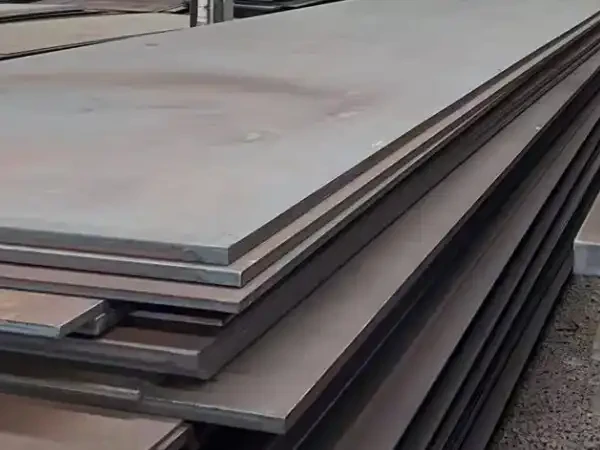
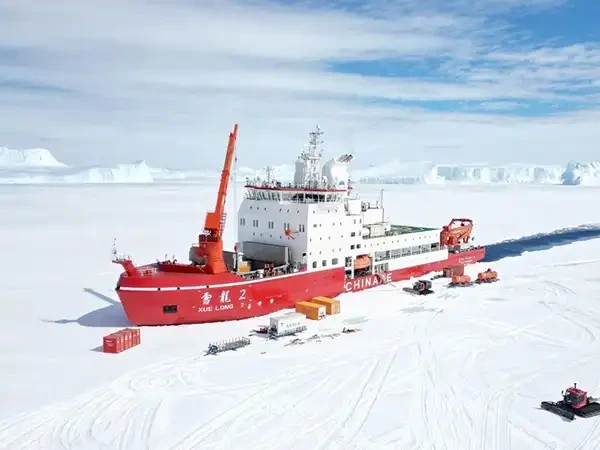
BV Grade EH32 shipbuilding steel plates have become the core structural material for polar shipbuilding and ultra-cold offshore engineering projects worldwide, thanks to their stable low-temperature toughness at -40°C, reliable load-bearing capacity in the 315 MPa range, excellent polar weldability, and good resistance to seawater corrosion and fatigue. The following outlines their typical application areas and structural advantages in ultra-low-temperature environments.
Core Technical Advantages and Characteristics of BV Grade EH32 Marine Steel Plates
The core technical advantages and characteristics of BV Grade EH32 marine steel plates include medium-to-high load-bearing capacity, excellent impact toughness at ultra-low temperatures of -40°C, good weldability and formability at ultra-low temperatures, and enhanced resistance to polar seawater corrosion and fatigue. The following is a detailed analysis.

Complete Technical Specifications for BV Grade EH32 Shipbuilding Steel Plates
BV Grade EH32 shipbuilding steel plate is a cryogenic high-strength hull structural steel certified by Bureau Veritas (BV). It was developed specifically for polar waters, cryogenic open-sea environments, and extreme cold conditions, and is widely used in the hull structures of polar exploration vessels and icebreakers, as well as in cryogenic offshore platforms and polar marine engineering support facilities. This article provides a comprehensive analysis of this material, covering aspects such as standards and certifications, steel grade definitions, chemical composition, carbon equivalent, mechanical properties, impact characteristics, delivery conditions, dimensions, surface quality, and weldability.