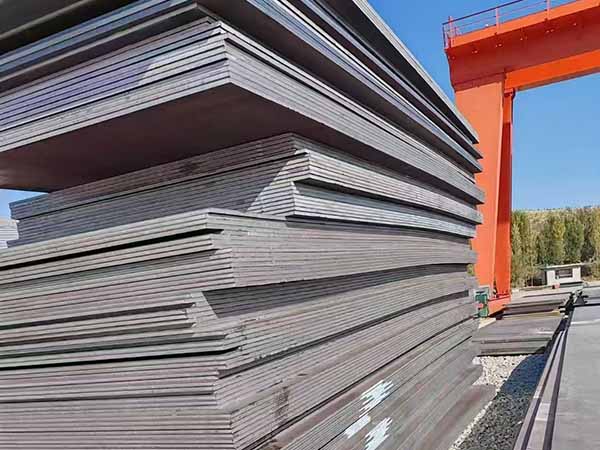
Blog
LR Grade A Shipbuilding Steel Equivalent Materials
LR Grade A is a ordinary-strength marine structural steel certified by Lloyd’s Register (LR). Within the international shipbuilding industry, the rules and regulations of major classification societies (such as CCS, ABS, DNV, BV, NK, etc.) are mutually recognized and aligned.
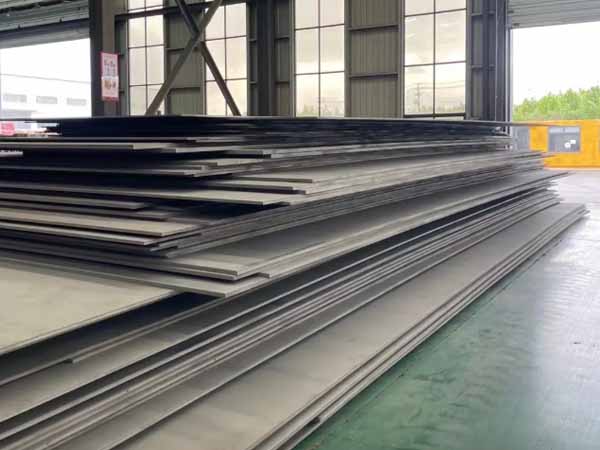
What Is LR Grade A Marine Steel?
LR Grade A is a ordinary-strength marine structural steel certified by Lloyd’s Register (LR) and classified as an economical steel for use at ambient temperatures. This steel grade offers good weldability and cold-forming properties, and is less expensive than LR Grades B, D, and E; however, it lacks sufficient low-temperature toughness and is restricted to non-critical hull sections where there is no risk of low temperatures. It must be accompanied by an LR certification certificate upon shipment before it can be used on board a vessel.

Specifications and Dimensions of LR Grade A Shipbuilding Steel Plates
We offer custom LR Grade A shipbuilding steel plate solutions in a full range of specifications and sizes, covering a complete range of dimensions to meet the diverse processing, manufacturing, and maintenance needs of commercial shipbuilding and general offshore engineering projects.
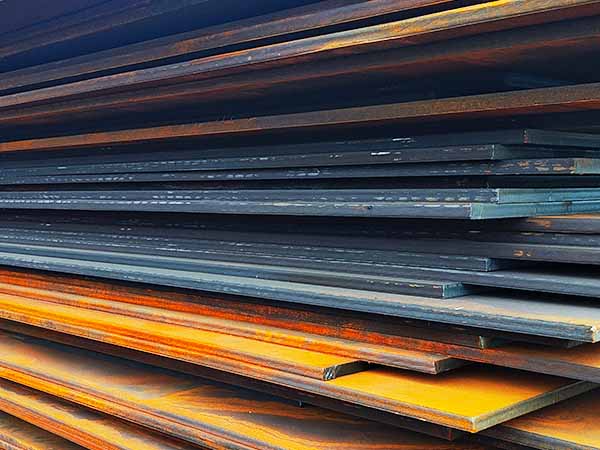
What Is DNV EH36 (NV E36) Material?
DNV EH36 (NV E36) material refers to Grade EH36 high-strength structural steel for ship hulls that has been certified by Det Norske Veritas (DNV) and meets its specifications. It features excellent low-temperature toughness, stable mechanical properties, good weldability, and resistance to marine corrosion, making it a key material for the construction of polar and deep-sea vessels, high-latitude offshore oil and gas platforms, deep-sea engineering projects, and ultra-large vessels worldwide.
- Tags:
- DNV Grade EH36
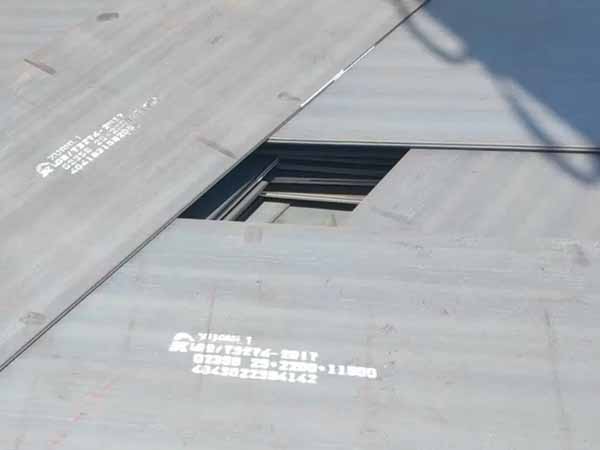
Equivalent Materials for DNV EH36 (NV E36) Marine Steel
DNV EH36 (NV E36) is a high-strength, high-toughness structural steel for marine applications. Its key performance characteristic is its ability to consistently meet the Charpy V-notch impact energy requirements even at low temperatures of -40°C. This steel grade is primarily used in critical load-bearing structures such as high-stress areas on ships, heavy-duty lifting equipment, and offshore drilling platforms operating in extremely cold environments such as the Arctic. Due to the high degree of technical harmonization among members of the International Association of Classification Societies (IACS), the equivalent materials for DNV EH36 are primarily Grade EH36/E36 high-strength marine steels under other classification society systems.
- Tags:
- DNV Grade EH36