Knowledge
Welding Process for CCS Grade EH36 Shipbuilding Steel Plates
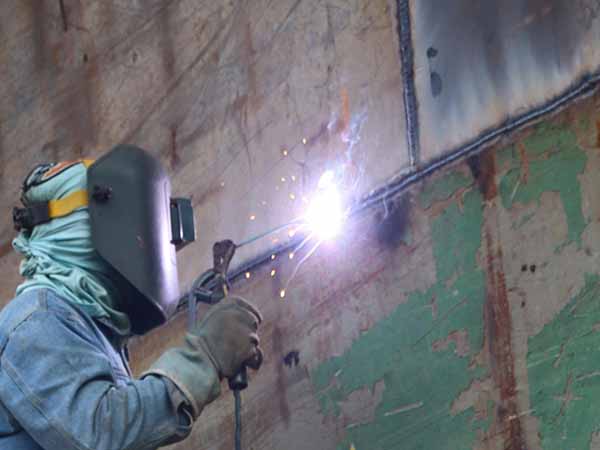
CCS Grade EH36 is a high-strength structural steel plate for marine applications, offering excellent impact toughness at -40°C and good weldability. It is widely used in shipbuilding and offshore engineering structures in extremely cold environments. When performing welding operations, attention must be paid to: hydrogen control, preheating, low heat input, and strict control of interpass temperatures to avoid cold cracks and embrittlement of the heat-affected zone.
Main Application Areas of CCS EH36 Grade Shipbuilding Steel Plates in Offshore Engineering
Thanks to its excellent low-temperature toughness at -40°C, high tensile strength and good resistance to seawater corrosion, CCS Grade EH36 shipbuilding steel plate has been widely adopted across multiple sub-sectors of marine engineering. Capable of withstanding extreme marine environments, CCS EH36 steel plate plays a crucial role in polar shipping, deep-sea resource development and new energy marine engineering.

Common Delivery Conditions for CCS EH36 Shipbuilding Steel Plates
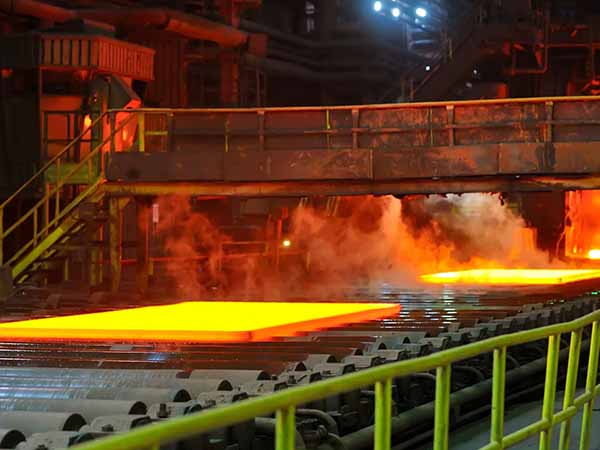
CCS EH36 shipbuilding steel plates have extremely high requirements for low-temperature toughness; therefore, delivery in the hot-rolled condition is generally not permitted. Depending on CCS specifications and the thickness of the steel plate, the common delivery conditions for CCS EH36 high-strength shipbuilding steel plates are TMCP, normalised and quenched and tempered. Additional conditions such as Z-direction property testing, non-destructive testing and surface treatment may also be selected.
Differences Between CCS AH36, DH36 and EH36 Shipbuilding Plates
CCS AH36, DH36 and EH36 are all 360 MPa-grade high-strength hull structural steels certified by the China Classification Society (CCS), and comply with the GB/T 712-2022 standard ‘Structural Steel for Ships and Offshore Structures’. The three grades have identical basic mechanical properties, such as yield strength, tensile strength and elongation; the key distinction lies in low-temperature impact toughness, which in turn leads to differences in chemical composition, production processes, application scenarios and cost.